
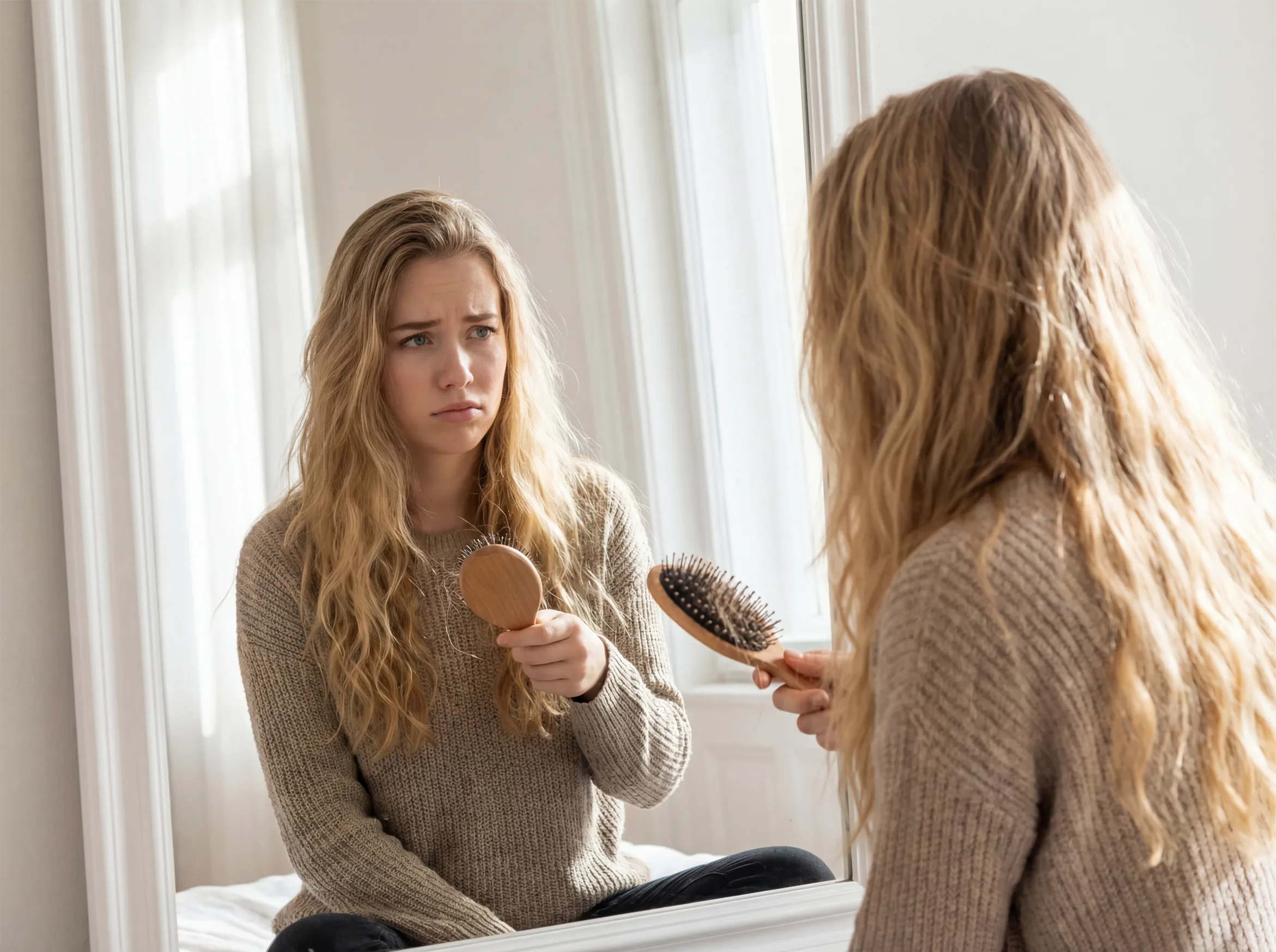
Hair Loss in Tashkent: Causes, Scalp Routine & How to Support Stronger-Looking Hair
Hair loss is common in Uzbekistan—especially in Tashkent, where stress, seasonal changes, nutrition, and scalp imbalance can affect hair density. This guide explains main causes, what to check first, how to build a simple scalp-care routine, and when to see a dermatologist. Plus: how to integrate Alopel Shampoo and Alopel Foam into a daily routine.
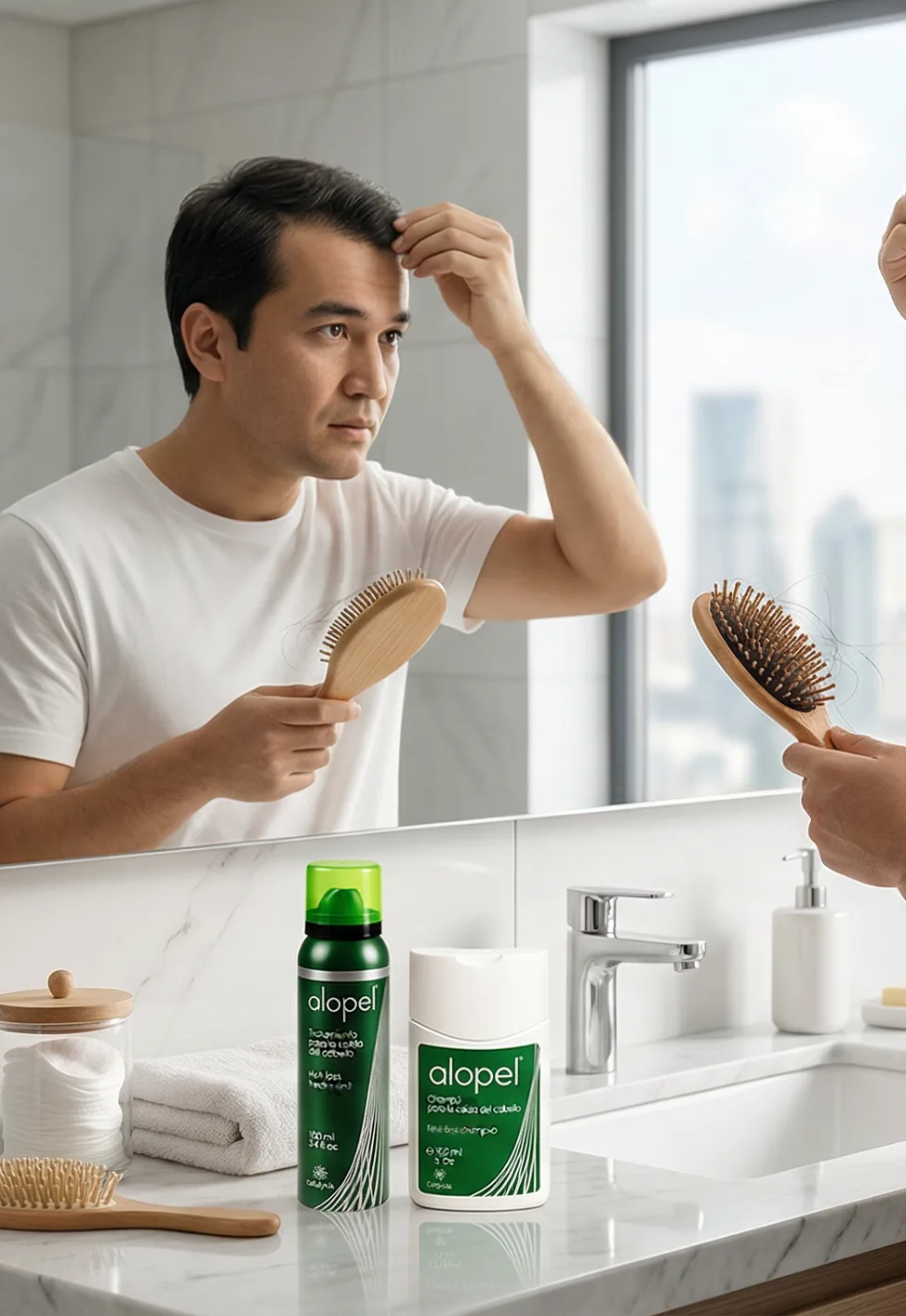
Hair & Scalp Care — Uzbekistan
Hair Loss in Tashkent: Causes, Scalp Routine, and Practical Daily Steps
Hair loss can feel alarming — especially when you notice more shedding in the shower, on your brush, or around the hairline. In Tashkent and across Uzbekistan, hair concerns are common and often influenced by a mix of factors: stress, seasonal shifts, scalp condition, styling habits, and everyday nutrition. The good news: many cases improve when you identify the trigger and follow a consistent, scalp-focused routine.
In this article, we break down the most frequent causes of hair loss, what you can do at home, which signals require a doctor’s evaluation, and how to build a practical scalp care routine. We also show where Alopel Shampoo and Alopel Foam fit into daily hair and scalp maintenance — especially for people who want a modern, easy routine.
Trigger Awareness
Stress, seasonality, scalp condition, and nutrition often work together.
Scalp Comfort
A comfortable scalp makes consistent hair maintenance easier.
Daily Consistency
Simple routines followed for weeks work better than short intense efforts.
Hair loss vs shedding: what is normal and when should you pay attention?
Some daily shedding is normal. What matters most is the pattern, the duration, and whether you see visible thinning. If shedding suddenly increases for weeks, the part line becomes wider, patches appear, or the scalp becomes itchy, flaky, burning, or sensitive, it is time to investigate the cause and adjust your routine.
A quick self-check helps: how long has shedding increased, what pattern do you see, how does your scalp feel, and were there any recent triggers like stress, fever, medication changes, strict dieting, postpartum changes, travel, or major life events?
Common causes of hair loss in Tashkent and Uzbekistan
Hair loss is rarely caused by one reason alone. Most cases involve a combination of lifestyle, scalp balance, and genetic factors.
Stress and lifestyle load
High stress, poor sleep, and irregular routines can disrupt the hair cycle. Better routine discipline and stress support often help reduce prolonged shedding over time.
Seasonal shedding and environmental changes
Many people notice more shedding during season changes. Dry indoor air, temperature shifts, and changes in daily habits can affect scalp comfort and hair appearance.
Scalp imbalance, nutrition, genetics, and hormones
Oiliness, flaking, irritation, iron status, vitamin D, low protein intake, genetic pattern thinning, and hormonal factors can all influence how hair looks and behaves. If shedding persists, professional evaluation and lab discussion may be useful.
Nutrition Matters
Iron status, vitamin D, protein intake, and overall diet quality can influence hair condition. Persistent shedding is worth discussing with a clinician.
Early Guidance Helps
Gradual recession at the hairline or thinning on the crown can be genetic. Early dermatology guidance often helps you choose a better long-term path.
A simple scalp-care routine to support stronger-looking hair
Consistency beats intensity. A practical routine should feel easy enough to follow for weeks — not just days. Start with three pillars: clean scalp, scalp comfort, and low-friction habits.
Gentle cleansing
Wash regularly based on your scalp type. Massage with fingertips rather than nails and rinse thoroughly to reduce residue buildup.
Leave-on scalp support
Choose a lightweight format that does not feel heavy and fits daily life. Apply consistently — routine discipline matters more than perfect days.
Reduce breakage triggers
Avoid tight hairstyles every day, limit harsh brushing on wet hair, reduce high heat, and use a soft towel with gentle pat-drying instead of aggressive rubbing.
Where Alopel fits in daily scalp and hair maintenance
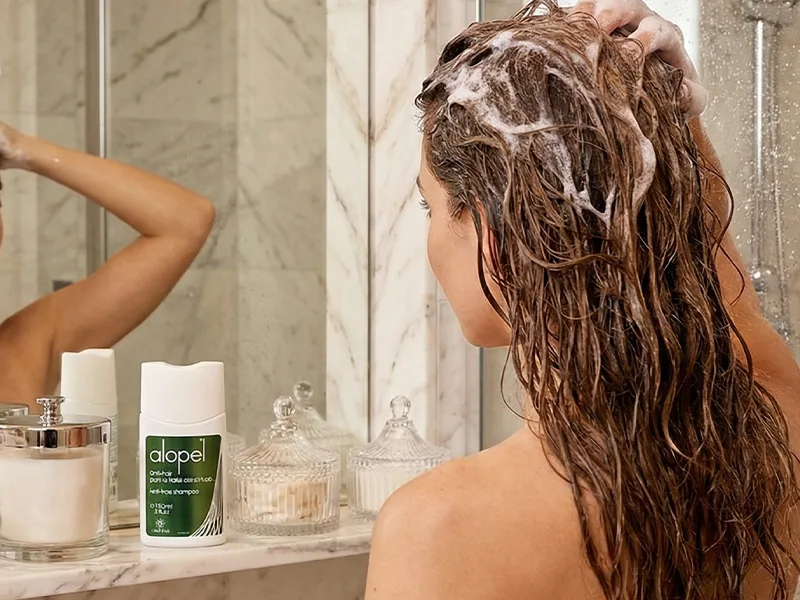
If your goal is a clean, comfortable scalp and a routine you can realistically maintain, Alopel products fit as a simple system: cleanse plus leave-on support. This structure works especially well for people in Uzbekistan who want a modern, practical, scalp-focused routine.
Alopel Shampoo
Daily cleansing step for scalp and hair — an essential baseline for scalp care.
Alopel Foam
Lightweight leave-on support that fits daily routines without heaviness.
Simple System
Cleanse, towel dry, apply, and stay consistent for several weeks while tracking changes.
Simple routine example: Cleanse with Alopel Shampoo → towel dry → apply Alopel Foam to the scalp → keep the routine consistent for several weeks.
View Alopel Shampoo in the catalogWhen to see a dermatologist in Tashkent
Professional evaluation is often the fastest way to avoid wasted time and guesswork. If any of the following applies, it is worth booking a specialist consultation sooner rather than later.
A doctor may assess scalp condition, discuss likely triggers, and recommend tests when needed — helping you choose the right direction more quickly.
Frequently Asked Questions
Is hair loss always permanent?
No. Many cases improve when triggers are identified and routines become more consistent. Pattern thinning may still require professional guidance.
How long before a routine shows changes?
It depends on the cause and your consistency. Many people track early signals over 4–8 weeks, while stronger long-term improvement usually takes longer.
Should I change products frequently?
Frequent switching makes it harder to evaluate what is working. A consistent scalp routine usually provides clearer feedback over time.
What is the best first step?
Start with regular gentle cleansing, add lightweight leave-on scalp support, and pay attention to triggers such as stress, sleep, diet, and scalp discomfort.
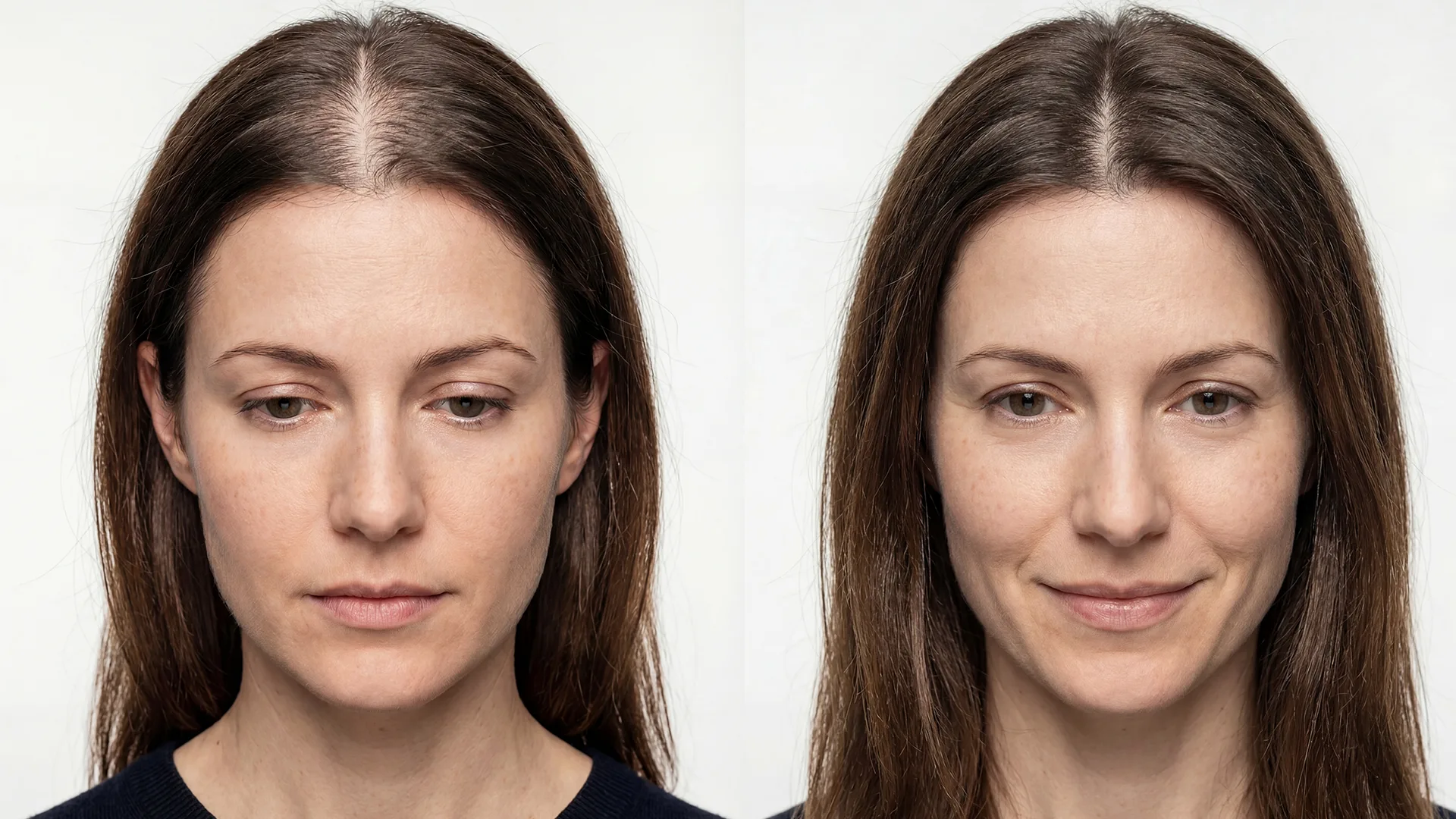
Scalp Check
A practical visual reminder to track scalp condition, shedding pattern, and routine consistency.
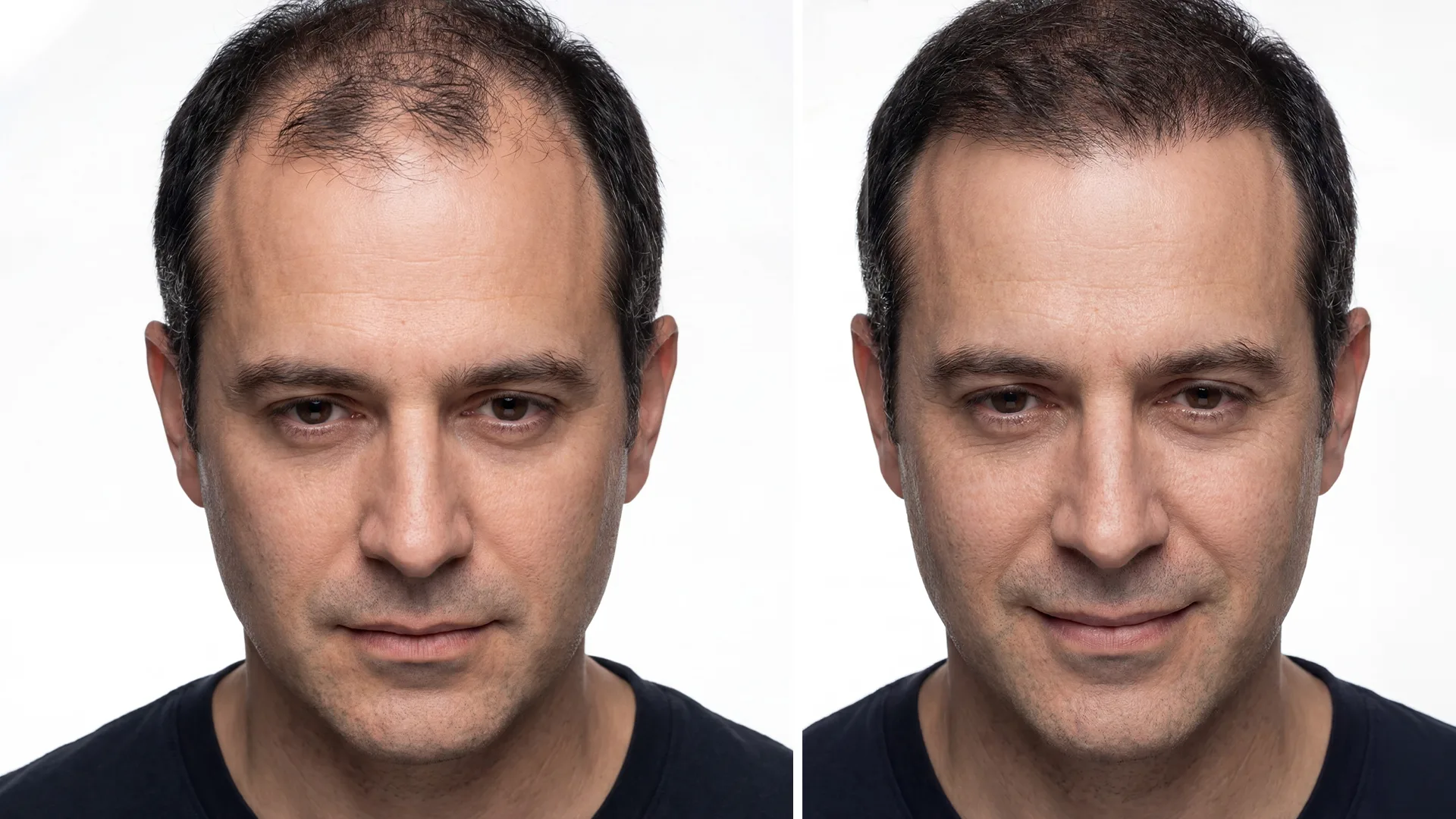
Daily Scalp Routine
Gentle cleansing, scalp comfort, and repeatable daily maintenance matter more than aggressive short-term fixes.
Alopel System
A simple cleanse-plus-leave-on structure for daily scalp and hair maintenance in Uzbekistan.



Leave a Comment
Login to leave a comment.